When Community As Medicine (CAM)began, it was rooted in a simple but urgent question: what happens when educators are given space to care for themselves and each other—not as an afterthought, but as a foundational practice?
Six months in, the answer has been clear. Community is not supplemental. It is essential.
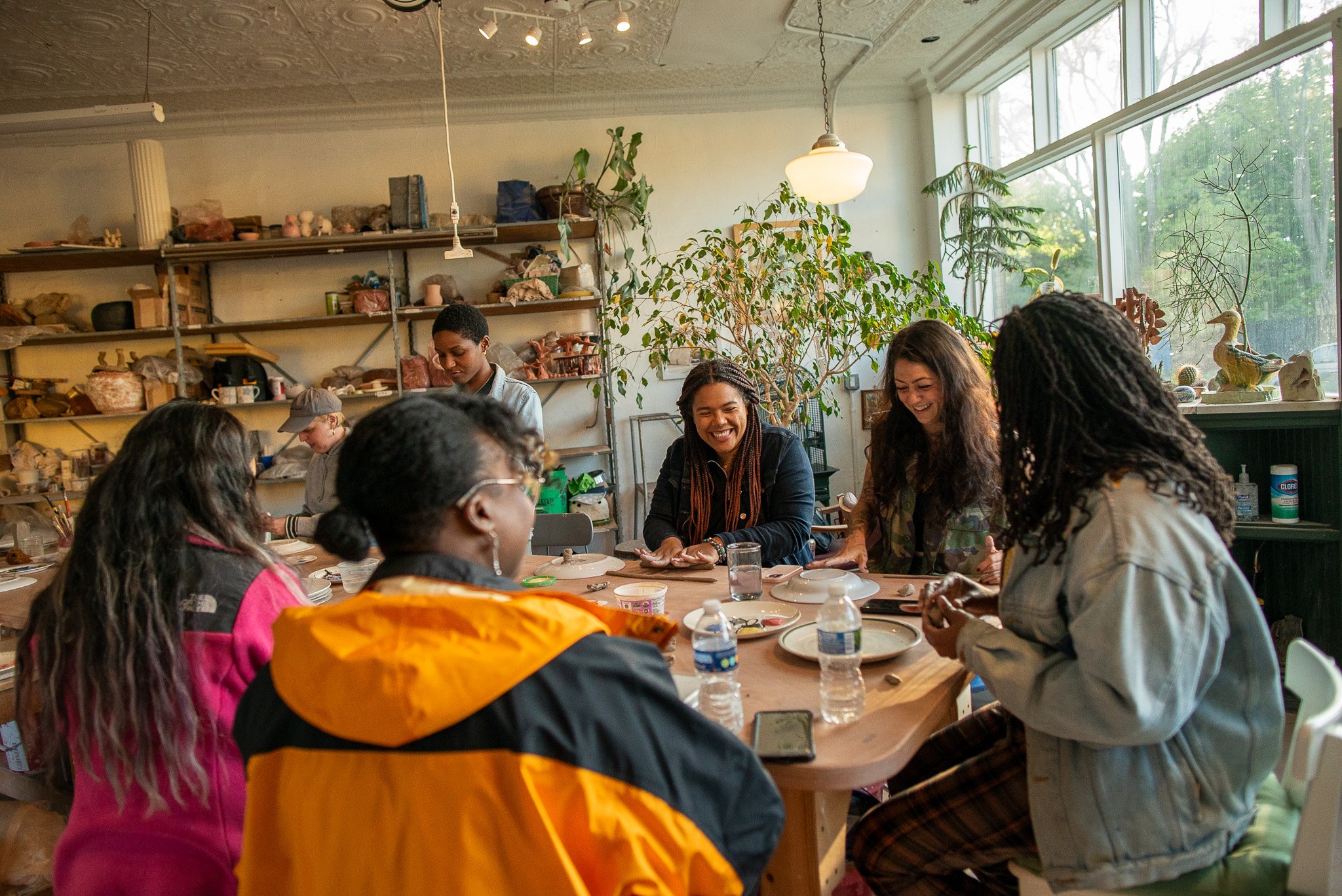
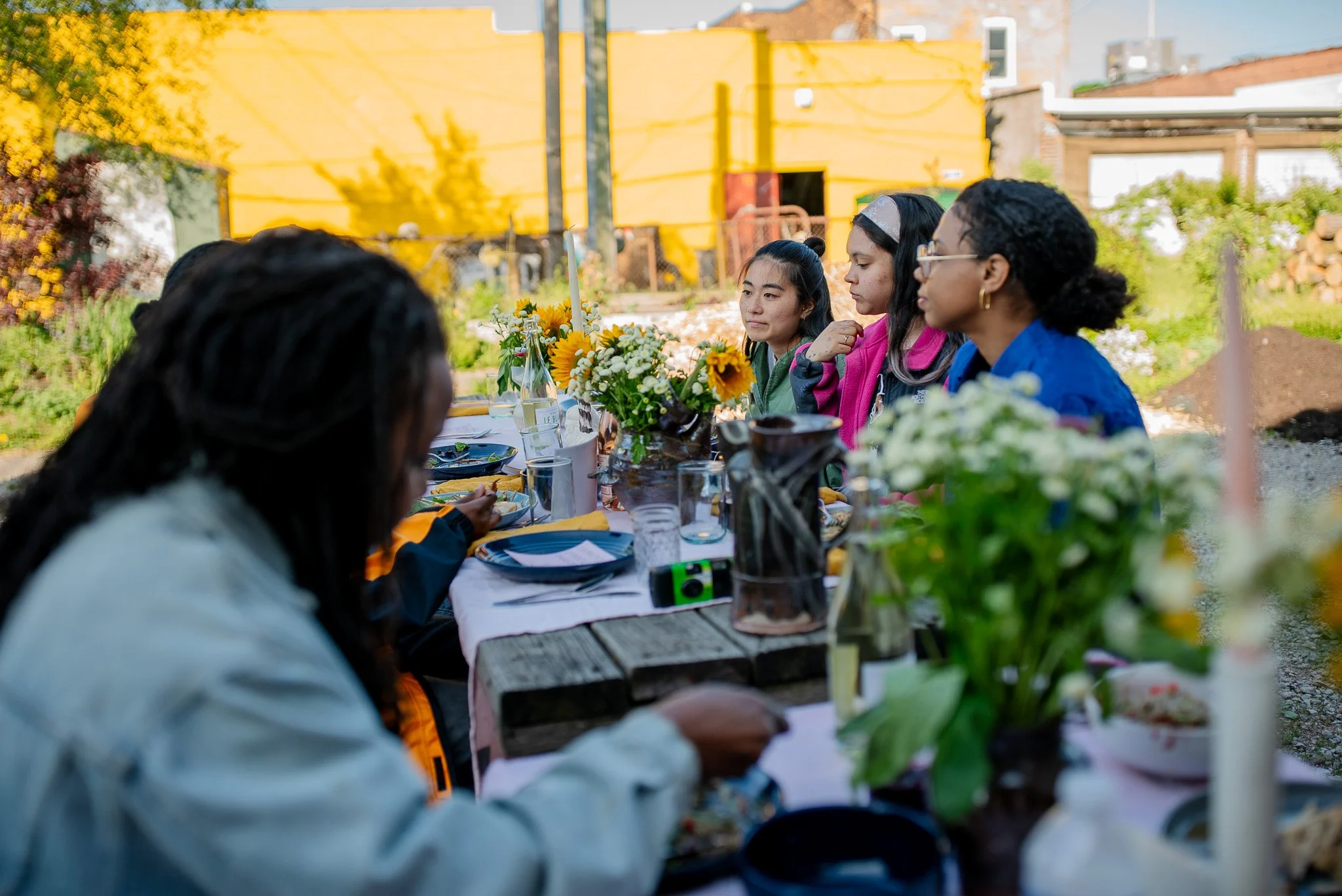
Starting in September, Community As Medicine has brought educators together through a rhythm of shared dinners and coffee gatherings—intentional spaces for nourishment, reflection, and collective care. Together, these gatherings have formed a curriculum grounded in lived experience, relationship-building, and the belief that healing and sustainability in education are communal acts.
The Table We Build: Beginning with Welcome
The series opened in October with The Table We Build: A Welcome to Community as Medicine, at the LOVE Building, followed by a coffee gathering at Cairo Coffee. This opening chapter functioned as an invitation—an official welcome into a growing educator community.
Breaking bread together created a foundation of trust and ease. Educators shared the stories that led them to teaching, reflecting on the values, people, and moments that shaped their paths. This gathering introduced the vision behind Community As Medicine: a space where educators are supported not only as professionals, but as whole people navigating complex emotional, political, and relational landscapes.
By beginning with story and shared purpose, the series set a tone that prioritized presence over performance and connection over productivity.
Breaking and Building: Family Cycles and the Roles We Choose
In November, the second chapter—Breaking and Building: Family Cycles and the Roles We Choose—invited educators to examine how family systems and generational patterns shape their identities as teachers and caregivers.
Across the second dinner and coffee gathering, participants reflected on where teaching, caregiving, and responsibility live within their family histories. Educators described how these inherited roles influence how they show up for students, how they respond to conflict, and how they navigate tenderness and burnout in the classroom.
This chapter also created space for practical exchange. Educators shared resources related to family engagement, classroom support, and navigating complex family dynamics—recognizing that care work in schools is always relational and often deeply personal. These conversations affirmed that understanding our own cycles can help us make more intentional, sustainable choices in how we care for others.
Rightfully Ours: Legal Tools for Liberated Classrooms
The most recent chapter, Rightfully Ours: Legal Tools for Liberated Classrooms, marked a shift toward collective protection and structural care. Held in January, this gathering focused on educators’ rights within increasingly restrictive and politicized educational environments.
Designed with early-career educators in mind, this dinner and coffee gathering created space to demystify legal protections, professional boundaries, and the tools educators need to safeguard themselves holistically. Conversations addressed the current climate of government intervention in classroom content, alongside strategies for protecting teaching practice, personal integrity, and classroom sovereignty.
Importantly, these discussions were held within the same relational, care-centered framework that has defined the series from the beginning—reinforcing that legal knowledge and collective support are deeply connected forms of care.
What We’re Learning
At the halfway point, several lessons are clear:
Educators are hungry for spaces that prioritize care without requiring performance.
A curriculum rooted in lived experience builds trust and sustained engagement.
Shared meals and informal gatherings are powerful tools for collective reflection.
Burnout is not an individual failure but a systemic condition that requires collective action.
Care, when paired with tangible resources, becomes a source of resilience and agency.
Most importantly, Community As Medicine has affirmed that educators hold the wisdom to envision healthier classrooms and communities. What is often missing is the space to gather, listen, and build together.
Looking Ahead
As Community As Medicine moves into the second half of the year, the series will continue to deepen its curriculum—holding space for rest, reflection, and joy while further expanding conversations around rights, protection, and collective sustainability.
In a time when so many educators are asked to carry more with less, Community As Medicine is a reminder that healing does not happen alone. It happens at tables, in shared stories, and in the ongoing practice of choosing one another.